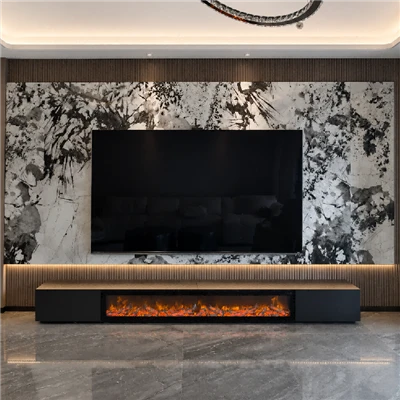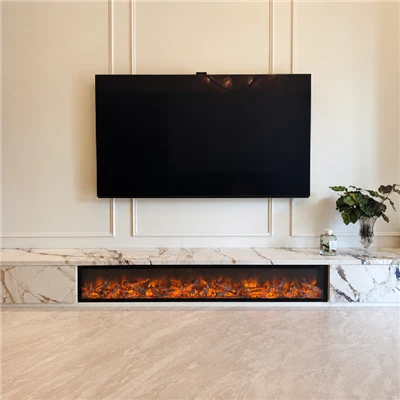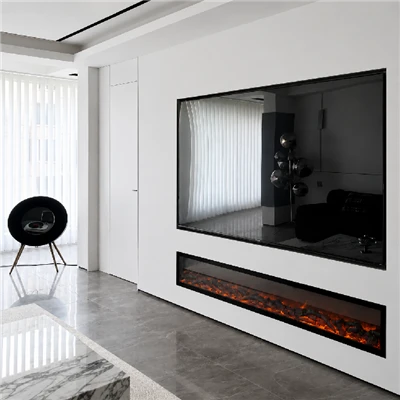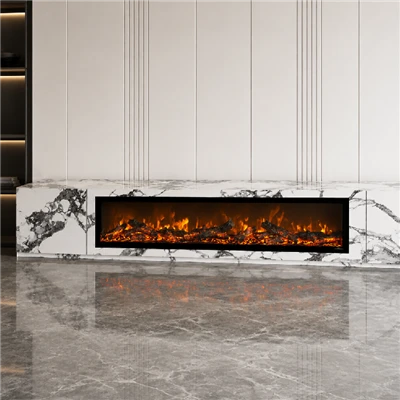


Screens come in a wide variety of types, generally classified by their form, subject matter, material, and craftsmanship. Ancient texts record a rich array of screen types; for instance, the Han Dynasty's *Miscellaneous Records of the Western Capital* (*Xijing Zaji*) mentions a "painted wooden screen" placed in the Zhaoyang Palace, the residence of Zhao Hede. The *Book of Tang* (*Tang Shu*) notes that Fang Xuanling compiled family precepts from past and present onto a screen. The Tang Dynasty poet Du Mu wrote: "Silver candles cast a chill upon the painted screen in the autumn light; a light silk fan flutters at passing fireflies. The night air on the street is cool as water; I lie watching the Cowherd and Weaver Girl stars." The Qianlong Emperor of the Qing Dynasty composed an essay titled *On Piercing the Willow* (*Chuanyang Shuo*), in which he questioned the idiom "piercing a willow leaf from a hundred paces"; he commissioned artisans to create a twelve-panel folding screen and personally inscribed the entire 538-character text onto it with an ink brush.
Categorized by material and craftsmanship, screens include those made of lacquer, carved wood, stone, silk, mica, glass, colored glaze (*liuli*), bamboo and rattan, metal, enamel inlay, porcelain shard inlay, stainless steel, and more. For example, *kuancai* (incised and painted) lacquer screens utilize a technique of carving and filling with color, while marble screens feature natural stone slabs as their central panels. Screens created with different techniques possess unique characteristics: jade-inlaid screens display clear layering and exquisite translucency; gold-lacquer painted screens are vibrant and as splendid as brocade; carved-and-filled screens with gold tracing feature fluid lines and a magnificent appearance; and incised-and-colored screens exhibit sharp, decisive strokes and a robust artistic spirit. Among these, lacquer screens-a major category-typically use pine wood for the structural core, as the wood is stable and resistant to cracking or warping. High-end screens often feature lacquered and carved imagery on the panels, with frames made from premium woods such as red sandalwood (*zitan*) or rosewood (*huali*).
Screens generally fall into two categories-freestanding and multi-panel folding-and come in various forms, including transparent, semi-transparent, solid, and openwork designs. They serve to partition spaces. Furthermore, screens of different textures and colors can be selected to suit different seasons. For instance, in autumn, the colors of the screen should be vibrant, whereas in summer, lighter shades are preferable to create a fresh, cool atmosphere in the room. Wrought-iron screens are a stylish choice, as the fabric elements can be swapped out according to the season. Chinese screens have long come in a wide variety of types. Beyond the traditional freestanding and multi-panel folding styles, there are also hanging screens, insert screens, tabletop screens, fireplace screens, and telephone screens. Decorative techniques range from painted designs to bamboo-blind paintings, silk paintings, carved and inlaid work, straw-appliqué art, fine bamboo-strip weaving, bone-and-wood inlay, frosted glass with bamboo appliqué, and full-height partition screens-all of which offer enhanced decorative appeal. When placing a screen, it should harmonize with the overall home environment.