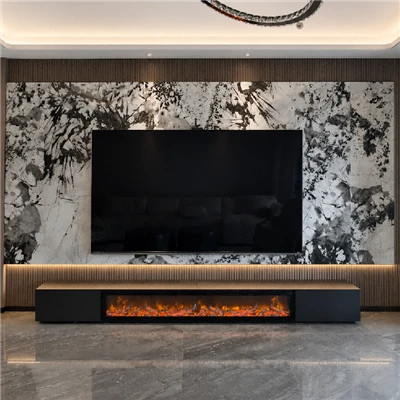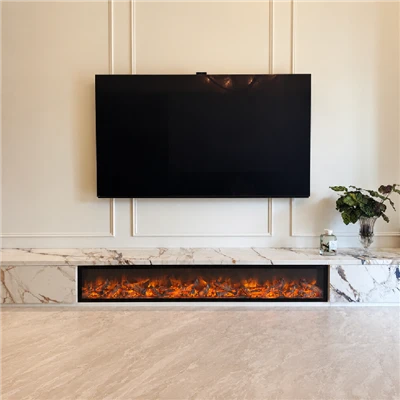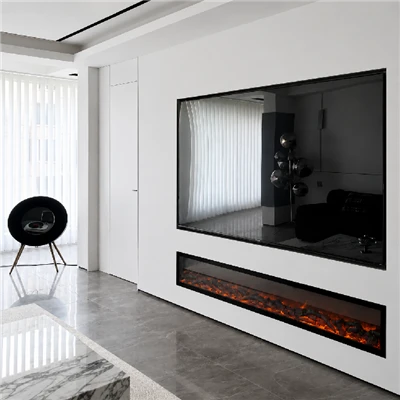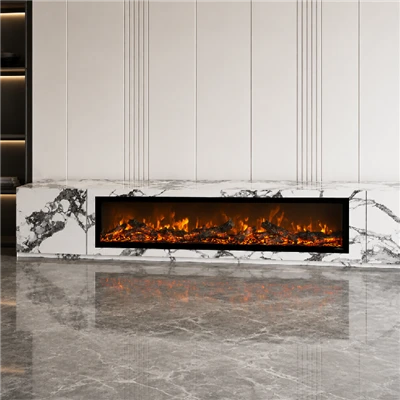


A fireplace is an indoor heating appliance-either freestanding or built into a wall-that uses combustible fuel as its energy source and features an internal flue connected to a chimney; it originated as a heating fixture in Western homes and palaces.
1. Installing a fireplace in the room where the family spends the most time maximizes thermal efficiency. In rooms with high ceilings, using a fan helps gently distribute heat to the living area.
2. For fully automated fireplaces, ensure an electrical outlet and junction box are installed near the unit's location before finalizing the installation.
3. In multi-level homes, placing the fireplace on a stair landing allows heat to circulate directly to both upper and lower floors, thereby improving energy efficiency.
4. The floor beneath the fireplace requires thermal insulation; specific requirements vary by product. Open-style wood-burning fireplaces require a large hearth to catch sparks and ash. If installing a glass door, consider the need for flame adjustment controls.
5. Consult your dealer to select a suitable hearth; materials such as ceramic, marble, and masonry are excellent choices. Hearth surrounds come in a variety of styles, colors, and materials to suit your needs. (Note: This applies to various types, including bio-ethanol fireplaces.)
6. Professional expertise is required for the design and construction of any fireplace to ensure safe and efficient operation.